

Restoring complete smiles, full arches, and normal function, dental implants can do it all.
But getting them involves surgical intervention and the healing process is incredibly important, leading to implant success or failure for patients of all types.
So, are the rumours online true?
Why shouldn’t you eat dairy after dental implants in London?
What needs to heal after dental implants?
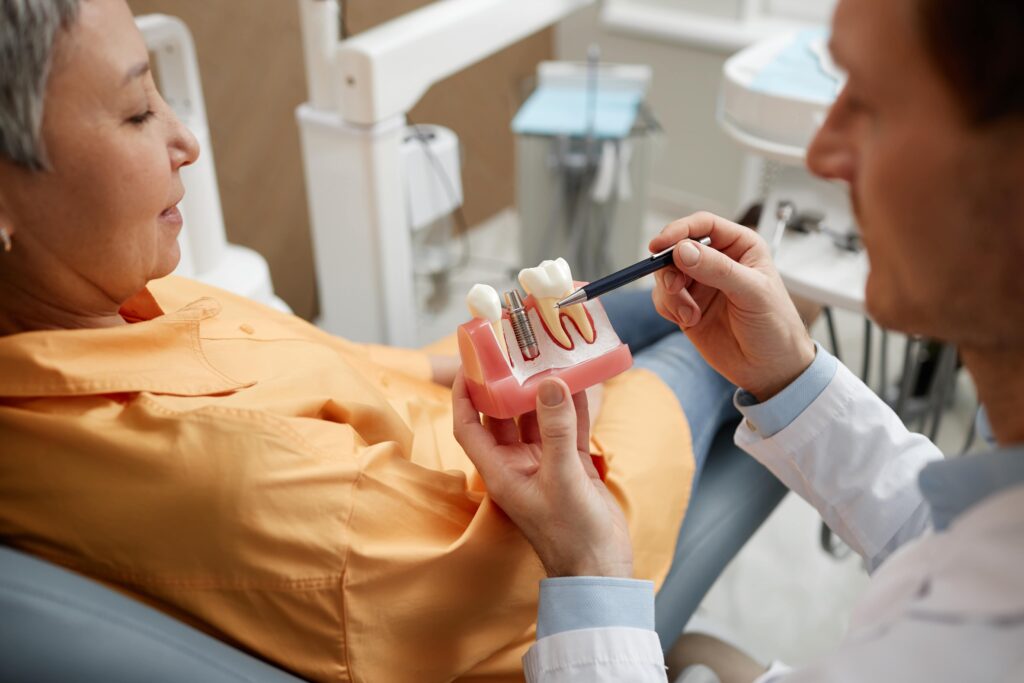
Dental implants rely on a tried-and-tested two or three-part structure that begins with a dental implant screw that is implanted into the jawbone.
Once implanted, there are two distinct phases of healing, one in the soft tissue where the incision has been made and the other in the jawbone, where the implant is forming a bond with the jaw – in a process known as osseointegration.
As such, healing well becomes incredibly important for patients – something that means dairy might be off the menu for a while.
Why should patients avoid dairy?
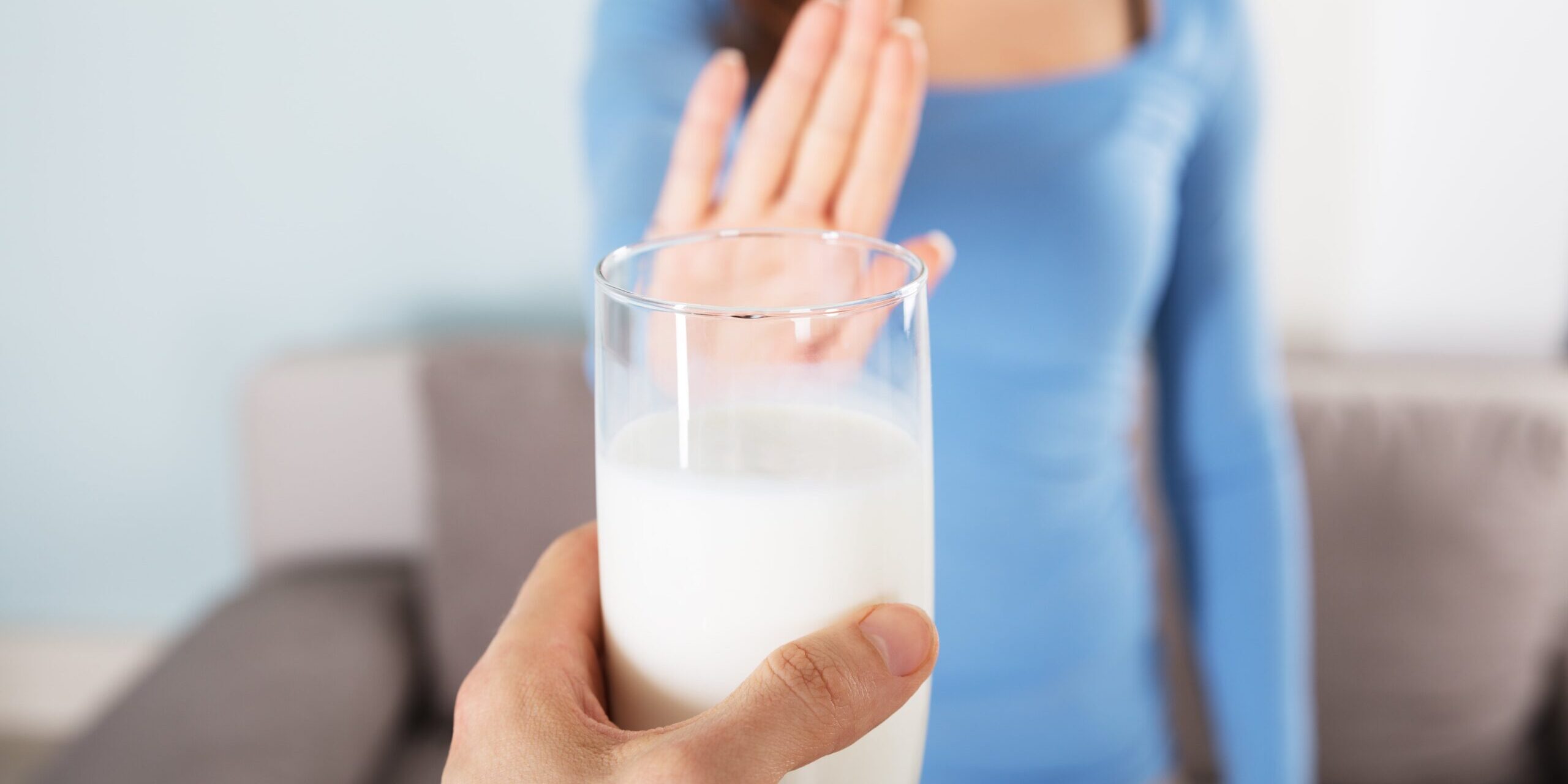
There is growing evidence that dairy products like milk, yoghurt, cheese, and puddings can affect healing in multiple ways:
- Preventing optimal healing
- Inhibiting antibiotic absorption
- Producing or increasing discomfort
- Causing an inflammatory response
Preventing optimal healing
While chock full of calcium, vitamins A, D, B12, potassium, and much more, you might assume that dairy would be a good choice for healing bones.
However, dairy can lead to a surge in bacteria in your mouth – increasing the likelihood of infection.
Likewise, while full of beneficial vitamins and minerals, the acids found in dairy can actually slow or stop the absorption of calcium and other nutrients!
Inhibiting antibiotic absorption
Calcium can also interfere with the absorption of antibiotics – meaning they won’t be as effective as they should be.
This is especially important with dental implants, as infection is one of the leading causes of implant failure or rejection.
Producing or increasing discomfort
For a small number of patients, dairy can cause pain or soreness around the implant site.
This is because the residue of dairy can cling to the implant site, something the bacteria in the mouth find irresistible. However, these food and drink deposits then turn into acid, causing inflammation and irritation which can be painful.
Causing an inflammatory response
Dairy can be high in saturated fats, which has suggested links to inflammation.
This means if you are sensitive to dairy because of an allergy or you have specific health conditions, it’s definitely best to avoid it after implant surgery – as the inflammation can slow or even impact healing.

Ways to boost healing after dental implants
As well as avoiding dairy, there are many ways you can improve your healing potential, including:
- Rest
While you might be a busy, on-the-go kind of person normally, resting after surgery is essential for everyone.
Keeping busy will actively slow your recovery and healing and can lead to postoperative complications, so it really doesn’t make sense.
- Follow aftercare instructions to the letter
From taking antibiotics and over-the-counter pain relief to brushing instructions and coming to aftercare appointments – if you follow any given instructions carefully you will vastly improve your healing journey.
- Stock up on soft, nutritious food
It can be tempting to reach for quick fixes, but blending or mashing whole-food-rich meals is much better for you and will give your body the energy it needs to heal.
This can include mashed potato, pureed vegetables, soups, or porridge – just remember not to serve it too hot or you could make an already delicate area even more painful.
- Drink plenty of water
Proper hydration can help the body flush out things that do not serve it and give your body the water it needs to function properly. Just remember, while it may seem helpful if your mouth is sore, you should not use a straw until told otherwise by your dentist.
You should try to avoid caffeine and alcohol, as they can dehydrate you.
- Keep on top of oral hygiene
While the exact routine can differ throughout the healing process, it’s important that you stick to your oral hygiene routine and keep your mouth clean to avoid the build-up of harmful bacteria.
This will also reduce the risk of implant failure.
Contact Marylebone Implant Centre for more information
As experts in dental implants, London-based Marylebone Implant Centre can assist patients of all types.
So, whether you are concerned about the healing process or have questions about the procedure itself, give us a call on 020 3285 6142 or email [email protected] and a member of the team will be in touch to see how they can help.